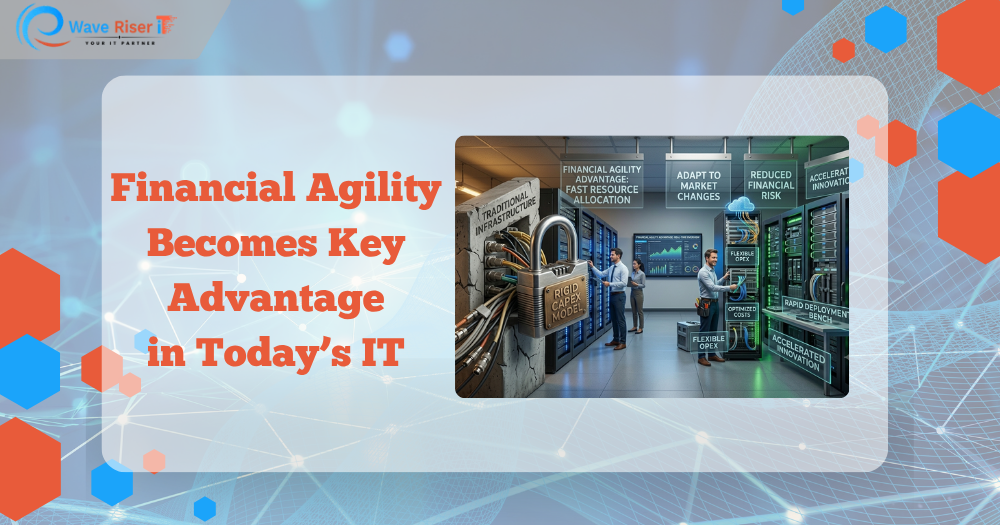
Today’s digital landscape moves rapidly, pushing companies beyond competition based
solely on products or presence. Instead, speed of adaptation – financial alongside
technological – has become key. What matters now is synchronization: matching IT
investments, infrastructure choices, and daily expenses to shifting demands as they occur.
That responsiveness defines financial agility – not just funding change, but structuring it
where it counts. Progress hinges less on size, more on timing aligned across systems and
budgets.
When companies move further into cloud setups, automated processes, and software-
controlled networks, how fast they adapt financially depends more on their technology
design. Not merely background tools anymore, network systems, cloud platforms, and digital
frameworks now drive economic outcomes – shaping how well an organization performs,
even its edge in the market.
Should businesses adapt to these changes, collaboration with firms such as WaveRiser IT
becomes essential. Through personalised strategies, resilience emerges quietly beneath
operational shifts. Shape emerges where effort is guided, never merely stumbled upon.
Should growth continue, its roots frequently lie in systems prepared before need arises.
Scalability surfaces where planning meets flexibility. Long-term success links closely to
systems shaped early, adjusted often. financial agility IT becomes the core driver of modern
enterprise competitiveness.
Financial Agility in IT
Flexibility in financial planning shows how well a company shifts tech budgets when needs
change. In past years, spending on systems stayed rigid – high initial outlays, set hardware
setups, slow update timelines. Now, such methods fail under current pressures.
Modern enterprises require systems that allow:
1. Real-time scaling of infrastructure
2. Pay-as-you-grow operational models
3. Faster deployment of digital services
4. Continuous optimization of IT costs
5. Alignment between IT usage and business outcomes
What pushes this change? Mainly cloud setups, virtual layers, along with software-driven
networks – these allow resource shifts on demand instead of fixed hardware limits. Resource
flexibility emerges when systems respond fluidly, moving beyond static infrastructures
anchored in physical gear.
Nowhere is the shift clearer than within IT units – once seen as back-office helpers, they now
shape profit margins through spending choices. Decisions made here ripple across operational
speed, affecting how fast a company adapts. Power has quietly moved; control over systems
links directly to market standing.
Networking Shapes How Money Moves
For any digital operation, performance ties closely to network quality – its role cannot be
overlooked. Where services run defines how well they respond; thus, structure matters
greatly. Efficiency emerges not solely from tools applied but also from connections
supporting them. Cloud systems, distributed teams, workplace software – all rely on
consistent data flow behind scenes. Without steady links, delays appear even when
technology seems advanced.
Modern network architectures enable:
1. Automated traffic management
2. Intelligent bandwidth allocation
3. Reduced operational overhead
4. Improved application performance
5. Lower downtime and faster recovery
Financial gains emerge naturally from such abilities. With refined networks, companies see
less excess alongside higher output while sidestepping unwarranted spending on systems.
Where management lacks precision, systems tend toward excess capacity, wasted resources,
slower performance. Such conditions often result in increased costs over time, due to
misaligned priorities. A weak structure invites imbalance, where effort does not match
output. Long durations expose flaws more clearly, especially when oversight is inconsistent.
The Role of Cloud and Automation
Now shaping budgets differently, cloud computing alters business methods for handling
technology costs. Physical servers once demanded large upfront payments; today, firms
access resources through subscription models. Payment adjusts to actual usage, so expenses
align closely with current needs. Flexibility rises when capacity can scale without hardware
delays.
With automation, the model gains additional strength through fewer hands-on tasks in
managing technology. Systems that run on their own tend to require less human oversight
during daily functions:
1. Scale resources based on demand
2. Detect and resolve performance issues
3. Optimize workloads in real time
4. Reduce human error and operational costs
Within the structure of modern IT systems, financial adaptability emerges naturally when
cloud technologies merge with automated processes. Though separate in function, their
combination fosters responsiveness through integrated design. Where resources shift based
on demand, efficiency appears without constant oversight. This setup allows funding patterns
to align closely with actual usage trends. Over time, adjustments happen almost invisibly,
guided by underlying frameworks rather than manual input.
Still, added adaptability brings new layers of challenge. When setup lacks clear structure or
oversight, cloud setups may lose effectiveness – spending rises without warning, operations
split into isolated parts. Efficiency fades when control slips.
Here, skilled technology support makes the difference. Expert advice in IT matters most at
this point.
Financial Flexibility for Better Business Outcomes
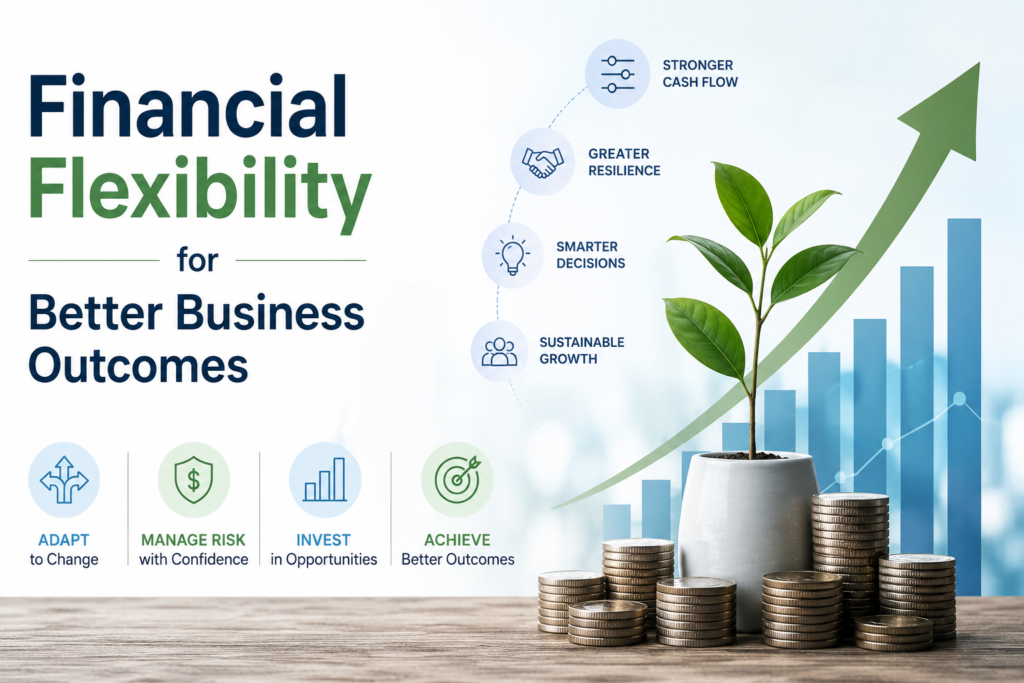
Financial flexibility offers organizations a strong position amid current economic conditions.
When resources shift easily, response to change becomes smoother. With steady control over
funds, decisions align more closely with real-time demands. Movement in budgets allows
focus where it matters most. Stability does not come from size, but from how money flows.
Adjusting quickly often separates long-term performers from others. Markets reward those
who adapt without delay.
1. Launch new services faster
2. Adjust to market changes quickly
3. Optimize operational budgets continuously
4. Scale infrastructure without delays
5. Put saved funds toward new methods instead
Where flexibility is limited, outdated technology tends to slow progress compared to more
adaptive rivals. Yet speed in response becomes a challenge when infrastructure resists
change.
What once counted as mere budgeting now defines whether firms endure. A shift has taken
place: flexibility in funds shapes resilience in operations. Not simply about numbers – this
trait determines continuity under pressure. Capacity to adapt financially separates those who
persist from those who do not.
Struggles with Adapting Finances Quickly
Gaining control over money matters proves difficult. Obstacles stand in the way for
numerous groups, including:
1. Legacy infrastructure that limits flexibility
2. Lack of visibility into IT spending
3. Poor integration between systems
4. Security concerns in cloud environments
5. Inefficient resource allocation
When unaddressed, these obstacles limit how much companies gain from current IT systems.
Poor preparation might cause spending to rise during cloud shifts or network improvements
rather than fall.
For this reason, planning around technology support has grown necessary within current
business settings. Still, ongoing oversight of systems now plays a central role in how
organizations operate today. Because of shifts in digital demands, guidance on infrastructure
must be carefully considered across companies. Even so, handling tech operations requires
consistent attention in complex workplaces.
WaveRiser IT Supports Financial Flexibility
What sets WaveRiser IT apart begins with a focus on balance – capability paired with fiscal
responsibility. Through structured planning, technology deployment gains clarity without
excess spending. Infrastructure knowledge merges with adaptive cloud models under real-
world conditions. Efficiency emerges when networks evolve alongside business demands.
Financial outcomes improve where technical design meets operational reality. Change moves
slowly, formed through steady review instead of abrupt turns. When systems react well, it is
alignment – not complication – that explains why.
Key services include:
1. Managed IT services for continuous optimization and stability
2. Cloud infrastructure design and migration for scalable environments
3. Network architecture planning for performance and efficiency
4. Cybersecurity integration to protect dynamic systems
5. IT consulting focused on cost optimization and digital transformation
6. Infrastructure monitoring to improve visibility and reduce waste
With such support, flexibility replaces fixed budgets in technology spending. Usage patterns
begin shaping infrastructure decisions instead of pre-set limits. Performance metrics guide
adjustments where old methods once applied strict controls. Environments evolve based on
demand rather than forecasts. Cost structures shift gradually under new operational rhythms.
Outcomes align more closely with actual needs over time.
Planning IT for What Comes Next
Success in enterprises hinges on financial agility, especially while companies shift toward
cloud-based operations. Performance alone does not suffice; flexibility matters just as much
within modern IT frameworks. Efficiency becomes essential when systems evolve under tight
budget oversight. Design choices reflect long-term cost outcomes more than initial
capabilities ever show.
Future-ready organizations will prioritize:
1. Intelligent cloud governance
2. Automated infrastructure management
3. Cost-aware network design
4. Data-driven IT decision-making
5. Continuous optimization of digital resources
This shift depends not only on tools, but also hinges upon coordination linking systems to
organizational aims. While tech plays a role, direction matters just as much when connecting
operations with purpose. Infrastructure must move in step with objectives, otherwise progress
stalls without clear intent guiding choices.
What stands behind effective strategy is often unseen infrastructure. WaveRiser IT operates
within that space, guiding firms toward cohesion between operations and digital tools. Where
goals meet systems, clarity emerges. Progress follows when tech spending reflects real
priorities. Stability over time becomes possible through deliberate design. Alignment like this
does not happen by accident.
Why Financial Agility Will Define Next- Gen IT Strategy
Now shaping enterprise decisions on IT structure solutions, financial flexibility plays a
central role. Not only strength matters – what responds fast in cost adjusts just as fast in tech
performance. A shift unfolds where spending pace matches innovation speed. Systems once
built for power now serve under economic responsiveness. Adaptability defines value more
than raw capability ever did.
Speed, efficiency, and sustained edge emerge where organizations adapt. Falling behind
becomes likely when change is ignored, especially as the digital world grows more fluid.
Backed by WaveRiser IT, companies reshape their systems – flexible setups emerge, built
lightly yet strong, ready when change arrives. Efficiency gains appear quietly, without
fanfare, as operations adapt beneath steady guidance. Growth becomes a pattern, not a push,
while stability settles in through careful design.