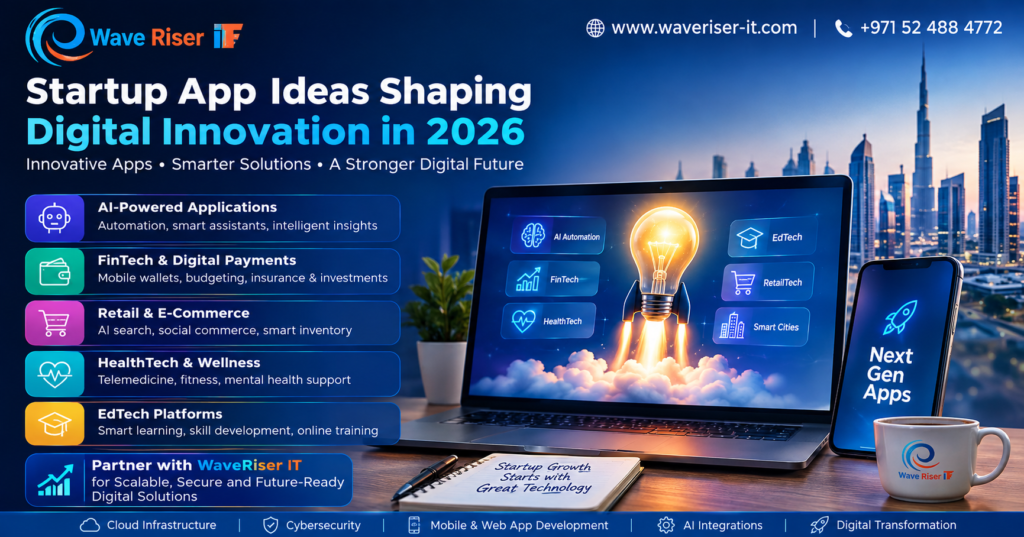
Startup App Ideas Shaping Digital Innovation in 2026
Out here, fresh concepts spark change in tech during 2026. Some new ventures reshape how digital tools evolve this year. Behind the scenes, different teams test unusual approaches to old problems. Through trial, a few stand out by doing things differently. Not every attempt sticks—yet some shift how people interact with machines. From cities to remote spots, these efforts ripple outward slowly. Implementing digital transformation projects carries increasing importance when dealing with companies that have expertise in technology. The cooperation with an experienced technology company, like WaveRiser IT, becomes more decisive when implementing projects related to digital transformation. In the modern era of startups, scalable development, cloud-based architecture, security considerations, ease of use and long-term technical support from qualified IT experts able to transform innovative ideas into dependable digital products are essential. Digital transformation solutions in Dubai continue becoming central to modern startup growth strategies. AI-Powered Applications Are Continuing To Grow In Number AI is now a major component of the development of startups today. AI is no longer reserved for big companies with extensive budgets. From repetitive tasks to enhancing customer experiences, analyzing customer behavior patterns, and providing highly personalized services, AI is being adopted by startups more than ever before. The following list of app ideas is just a handful of the most promising suggestions: Business automation software powered by AI Explore AI hiring and recruitment systems Smart productivity assistants AI healthcare support apps Intelligent travel planning systems Finance management apps using AI These platforms can streamline business operations, boost efficiency, and accelerate decision-making processes. With customer expectations constantly increasing, automation with intelligent recommendations is a big advantage. The Fintech And Digital Payment Markets Continue to Be Strong The finance technology sector is one of the fastest-growing digital sectors across the world. Now consumers are increasingly seeking mobile-first financial solutions that make it easy to manage their finances, make payments, and handle subscriptions, insurance, and investments. Within FinTech, there are opportunities for startups, such as AI budgeting platforms Digital wallet applications Loan tracking systems Subscription management apps Insurance comparison platforms Wealth management dashboards These solutions offer convenience and enhance visibility of finances for both businesses and individuals. During development, payment integration, data security, and a smooth user experience are all paramount, making professional software engineering support a vital component of the development process. Retail and E-Commerce Innovation Continues Moving Forward Now things are moving faster in shops and online stores. Speed grows where buying meets new ideas. Shopping sites now dig deeper into custom touches for each visitor. People expect smart picks when they browse, tools that let them search by image, and smooth ways to buy without delays. As per the latest trends in technology, the market of personalization in the retail industry, powered by AI, and shopping with AR is proving to be an asset to startup CEOs. Some of the most popular retail startup ideas are: Applications of AI visual search Omnichannel commerce platforms Social commerce apps Live-stream shopping systems Multi-vendor marketplace platforms Smart inventory management tools Startups pushing into crowded online markets need room to grow—that means solid backend support running on cloud platforms. When systems can scale smoothly, handling spikes feels less like chaos. Better tech interactions often lead customers to stick around longer. Some companies see results simply by making responses faster. Growth tends to follow when operations stay stable behind the scenes. The Healthtech And Wellness Apps Keep on Expanding The need for digital healthcare solutions continues to be high, and users have come to expect mobile apps to help them track their well-being, conduct virtual check-ins, plan their fitness, and even provide mental health assistance. Personalized recommendations and the ability to monitor and track patients are now achievable using AI-powered health systems and tools, which traditional systems cannot do efficiently. Some of the HealthTech concepts that have the potential to be high-growth are: AI mental wellness companions Telemedicine applications Fitness coaching platforms Health check-up planners Nutrition management systems Skincare analysis applications With the growth of technology in healthcare, cybersecurity, compliance, and data privacy are crucial. For any startup coming into this field, having a reliable development framework from the onset that can ensure security and regulations is a must. Edtech Platforms Are Crafting New Learning Moments The landscape of education technology is evolving as a way to change how people learn, train and acquire expertise. AI-driven learning systems are becoming more customized according to the level of engagement, performance, and progress of the learner. There are good opportunities for start-ups in: Language learning platforms Smart and effective learning management systems Corporate training applications Skill assessment tools AI tutoring assistants Job readiness platforms These sites can help make it easier for people to access and provide a means for learning from a distance and developing skills for the workforce. Today’s learning apps also include analytics features that can monitor user engagement and enhance learning outcomes as time goes on. Why Startups Need Strong Technology Partners It’s not just about software development when planning for a successful application. Innovation, scalability, security, performance, and user experience are all key factors that startups must consider, all of which have to be delivered within a strict budget and schedule. Throughout the years, studies of software startups have repeatedly found that execution guided by focus, validation speed, and flexibility of engineering practices has a significant impact on startup success. It’s where IT companies like WaveRiser IT can be especially beneficial. In collaboration with professional technology teams, startups can receive assistance in: Develop scalable cloud infrastructure Create secure mobile and web apps Implement AI integrations Improve UI and UX performance Maintain cybersecurity standards Accelerate MVP development Provide long-term product growth support Start by smoothing how things look on screen. Then make every click feel natural. A fresh layout helps people move around easier. Small tweaks can lead to noticeable gains. See what happens as people test it out. Adjust until everything flows just right. Good IT consulting can prevent founders from accumulating technical debt, facing restrictions
Startup App Ideas Shaping Digital Innovation in 2026 Read More »