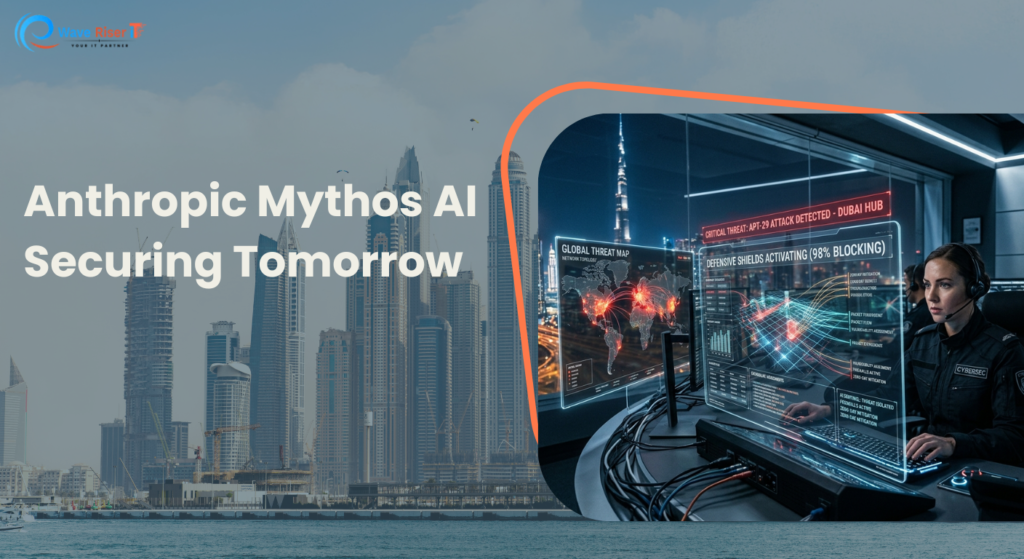
Anthropic Mythos AI and the Future of Cybersecurity
Though progress moves fast in artificial intelligence, certain advances stir more reflection. Recently, conversation within tech circles has centered on Mythos AI by Anthropic, notable for strength in online protection tasks. Rather than following patterns of routine processing or text creation, this system operates where threats meet response – examining weaknesses, assessing digital exposure, shaping how safety is managed across networks. While many models assist with efficiency, this one steps into a realm concerned with breaches, shields, and large-scale attack prevention. Attention grows not due to novelty alone, but consequence: what it sees, how it reacts, why timing matters when systems are under pressure. AI cybersecurity solutions in Dubai continue gaining importance as businesses adapt to evolving digital risks. Should conditions continue shifting at current speeds, corporate operations confront deeper implications beyond incremental progress in artificial intelligence. With growing clarity, it emerges that defenses online are transitioning into stages where automated tools outpace people in detecting flaws within code. Now, organizations must adapt to landscapes where machine-driven solutions offer safety, yet simultaneously introduce fresh uncertainties. What Anthropic Mythos AI is? Appearing recently, Mythos emerges from Anthropic as an artificial intelligence system built for rapid detection of weaknesses in software and security frameworks. Early observations indicate performance capable of uncovering undisclosed zero-day exploits across widespread platforms including operating environments and internet browsers. It stands out about Mythos that public availability was declined by Anthropic, allegedly due to risks tied to improper use. Access stays limited – only certain groups involved in secure cyber programs. This choice by itself shows the growing strength of sophisticated artificial intelligence. Earlier times saw conversations mostly focused on efficiency, automated processes, or chat-based tools. Attention now turns elsewhere – toward something delicate: the possibility that machines might surpass people in finding digital flaws. What was once theoretical edges closer to reality through such developments. How People Talk About Cybersecurity Is Shifting Always, cybersecurity means chasing threats just behind defenses. While experts fix weak spots, attackers search for openings without pause. Yet when artificial intelligence enters, speeds shift beyond past limits. It appears, based on several sector evaluations, that Mythos managed what few tools achieve – cutting down search duration for concealed flaws within intricate environments. A pattern emerged across reports: detection periods shortened significantly when this system was applied. Not by slight margins, but enough to draw attention through sheer consistency. Where others lingered, it moved swiftly. Observers noted its behavior differed from typical approaches in how early stages already showed results. Behind the scenes, something adjusted dynamically. What stayed unchanged was the outcome – faster identification without added noise. This shift alters how companies view digital safety, reshaping standards completely. With routine checks growing insufficient, continuous oversight through artificial intelligence could become essential for large-scale digital environments. Because attacks now run on automation, protection methods will need to keep step – mirroring their speed and scope. Not waiting, but adapting becomes the quiet demand of the moment. This importance stands clear within fields managing delicate information, such as: Financial services Healthcare Government infrastructure E-commerce platforms Cloud computing environments Enterprise software systems When artificial intelligence enhances cybersecurity systems, speed in reaction grows more essential. What was previously acceptable lag might now fail to guard effectively. The Growth of Artificial Intelligence in Finding Security Risks From the Mythos conversation, a key point emerges – predictive cybersecurity gains weight. Past methods typically respond once flaws appear. In contrast, AI-powered tools search for irregularities ahead of breaches. Patterns, not incidents, guide their focus. From here, new paths open – each bringing its own set of demands. While promise appears, so do complexities that require attention. While some groups improve defenses via rapid scans of weaknesses, machines that check software behavior also grow more common among attackers. Still, quicker detection methods emerge just as fast on both fronts. Among discussions on Mythos, attention often lands on its potential for divided outcomes. While one path leads to stronger digital defenses, another opens when such ability finds use in exposing flaws – should oversight falter. Not every advancement travels only toward protection; some shift silently into risk. Nowhere is the discussion around AI oversight more present than in global technology circles. Because consequences drift beyond original intent, scrutiny lands on access, boundaries, failure points, plus moments demanding correction. Once background noise, questions about authority, structure, hidden results, and strain on essential systems stand central. With behavior harder to forecast, clarity in logic, choices made, ripple effects, and endurance of frameworks gain weight unexpectedly. How This Affects Companies Today’s companies find that the Mythos conversation goes beyond mere tech news. Instead, it signals a shift – one where artificial intelligence planning must include security from the start. Not later. Never apart. Now comes a shift: firms pushing deep into digital change face new expectations. Not merely relying on common defenses grows necessary. Resilient systems form one pillar – cloud safety another. Watching ahead, spotting risks early, adapting fast turns essential. What seemed extra before now stands central. Later adoption of updates could lead to increased risk when digital dangers evolve through automation. As attacks grow sharper in method, unprepared organizations might struggle to respond effectively. Here, seasoned tech collaborators matter most. As demands grow, companies look to professionals who embed strategic safeguards within wider digital frameworks instead. Protection online extends beyond firewalls or virus scanners today. With AI, automated systems, cloud structures, and information oversight unfolding together, safety measures evolve alongside them. AI Reshaping How Companies Handle Security Unexpectedly, the Mythos case reveals the pace of advancement in artificial intelligence. Not long ago thought impossible, certain abilities now appear within reach, according to multiple experts. A shift unfolds quietly – cybersecurity frameworks face new realities sooner than expected. With every added connection in enterprise networks, exposure to threats grows. Where remote operations emerge, so do new entry points. Cloud transitions introduce shifts in control. Into these spaces step smart devices, layering further intricacy. Alongside automation advances come unseen dependencies across systems. Future-ready
Anthropic Mythos AI and the Future of Cybersecurity Read More »